
Formula 1 Data & Analysis
Every tenth, measured and explained
Driver standings, circuit profiles, race results, lap time analysis, and editorial stories — grounded in data, never in predictions.
What we do
Three pillars of F1 data
The Grid
Current standings, career stats, qualifying analysis, head-to-head records. The raw numbers of Formula 1, sortable and contextualised.
Explore drivers →The Paddock
Long-form journalism grounded in statistics. Historical deep-dives, circuit stories, engineering narratives. Data becomes storytelling.
Read stories →The Garage
Statistical explainers, methodology documentation, deep-dive analysis. Complex F1 analytics made accessible without losing rigour.
Enter the Data Lab →About Quelvor
Data-driven, editorially independent
Quelvor exists because Formula 1 deserves better data journalism. Every statistic we publish is sourced from official FIA timing data, verified against at least two independent sources, and presented with the editorial context that transforms raw numbers into insight. We do not predict outcomes, offer tips, or recommend wagers. Our editorial stance is simple: the stopwatch records what happened, and our job is to explain why it matters.
“The stopwatch doesn’t predict — it records.”Read our methodology
The Grid
Championship standings
The Drivers’ Championship is the simplest and most brutal metric in Formula 1: points accumulated across a season of races, sprint events, and fastest laps. But behind the headline numbers sit layers of context — a retirement at Monaco costs differently than a retirement at Paul Ricard, and a driver who consistently finishes fourth may be outperforming a car that should finish eighth. The table below shows the raw standings. The columns to the right — wins, podiums, poles, DNFs — tell you how those points were earned.
| Pos | Driver | Constructor | Pts | Wins | Pods | Poles | FL | DNFs | Form |
|---|---|---|---|---|---|---|---|---|---|
| 1 | Driver A | Constructor X | 312 | 8 | 12 | 7 | 4 | 0 | |
| 2 | Driver B | Constructor X | 268 | 4 | 11 | 5 | 3 | 1 | |
| 3 | Driver C | Constructor Y | 224 | 3 | 9 | 2 | 2 | 0 | |
| 4 | Driver D | Constructor Y | 198 | 2 | 8 | 3 | 1 | 1 | |
| 5 | Driver E | Constructor Z | 156 | 1 | 6 | 1 | 2 | 0 |
The gap between P1 and P2 — 44 points, or roughly two race wins — tells one story. But the DNF column tells another: Driver A has zero mechanical failures in 14 races; Driver B has one. In a championship this tight, reliability isn’t a footnote — it’s the deciding factor.
The Calendar
Race calendar
The Formula 1 calendar spans five continents and 24 races. Each circuit presents a distinct engineering challenge — from the slow-speed technical demands of Monaco to the high-speed sweeps of Silverstone. The cards below show the next five races on the calendar, filterable by region.
Silverstone
United Kingdom
Britain's high-speed cathedral
Circuit de Monaco
Monaco
The ultimate driver's circuit
Spa-Francorchamps
Belgium
The most demanding lap in motorsport
Monza
Italy
The temple of speed
Suzuka
Japan
The figure-of-eight that separates the best
By the numbers
Key numbers
Formula 1 generates more data per race weekend than most sports produce in a season. These three numbers frame the scale of the Quelvor database and the precision of the sport it covers.
Every Formula 1 World Championship race since 1950, with full timing data available for the modern era (2000–present).
Each circuit page includes corner-by-corner data, lap record evolution, DRS zone maps, and historical race results.
The margin between pole position and P2. A blink of an eye in which entire championships can turn.
Latest
Recent results
Every race tells a story in data. The winner, the margin, the fastest lap, the number of pit stops — each statistic is a sentence in a larger narrative about pace, strategy, and execution. The three most recent results are summarised below, each with a brief editorial note on the defining moment.
British Grand Prix
Silverstone
A dominant display from lights to flag, with tyre management proving decisive in the final stint.
Austrian Grand Prix
Red Bull Ring
A late safety car reshuffled the order, and a one-stop gamble paid off from P5 on the grid.
Spanish Grand Prix
Circuit de Barcelona-Catalunya
The two-stop strategy delivered a seven-second advantage over the one-stop runners by lap 40.
Featured
From the Paddock
Silverstone: 75 Years of the British Grand Prix in Data
The British Grand Prix at Silverstone was the first race of the first-ever Formula 1 World Championship in 1950. Seventy-five years later, we map every pole, every fastest lap, every retirement, and every championship-deciding moment at the circuit that started it all. From Farina’s first victory to the modern ground-effect era, this is Silverstone’s data biography — a story told in lap times, corner speeds, and the relentless evolution of machines built to go faster.
Gallery
The world of Formula 1
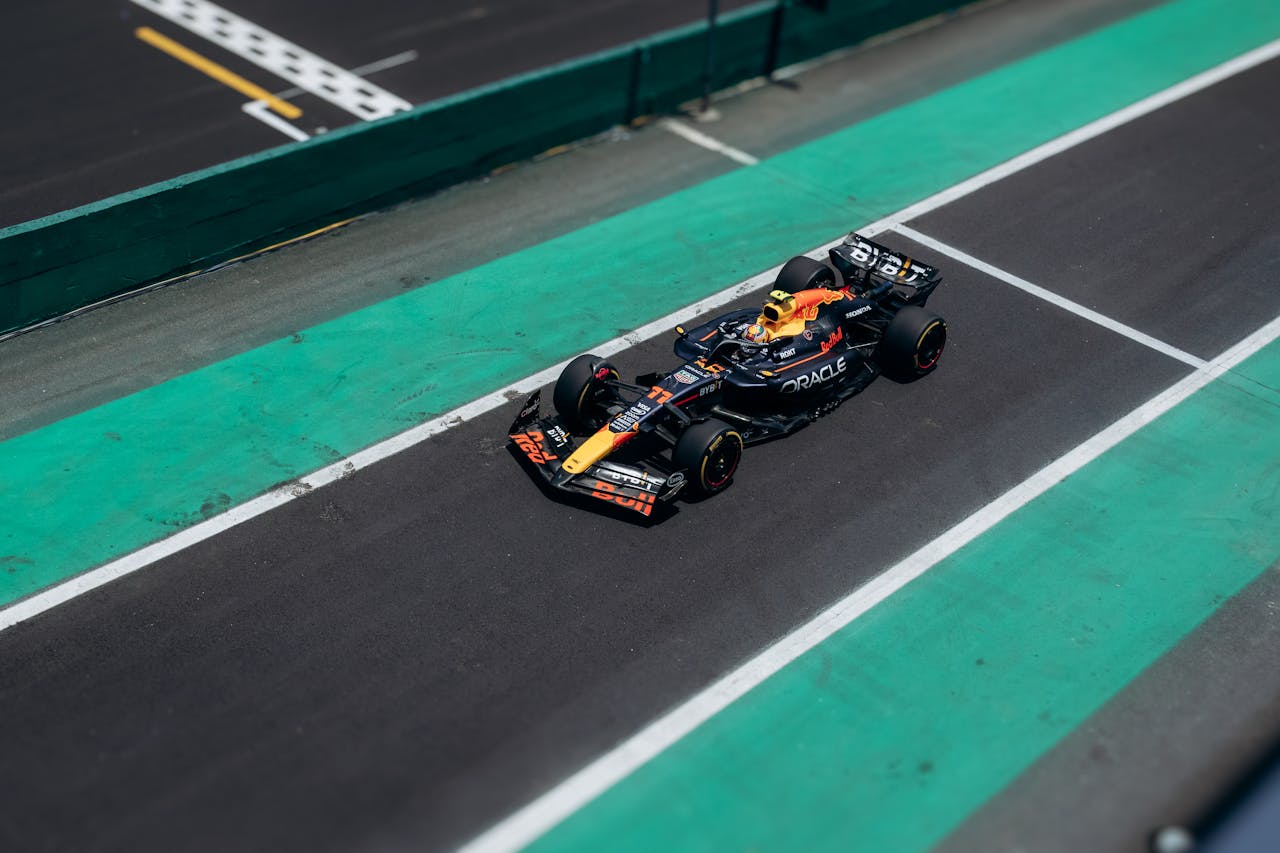
Silverstone — where it all began

Pit lane — where milliseconds matter
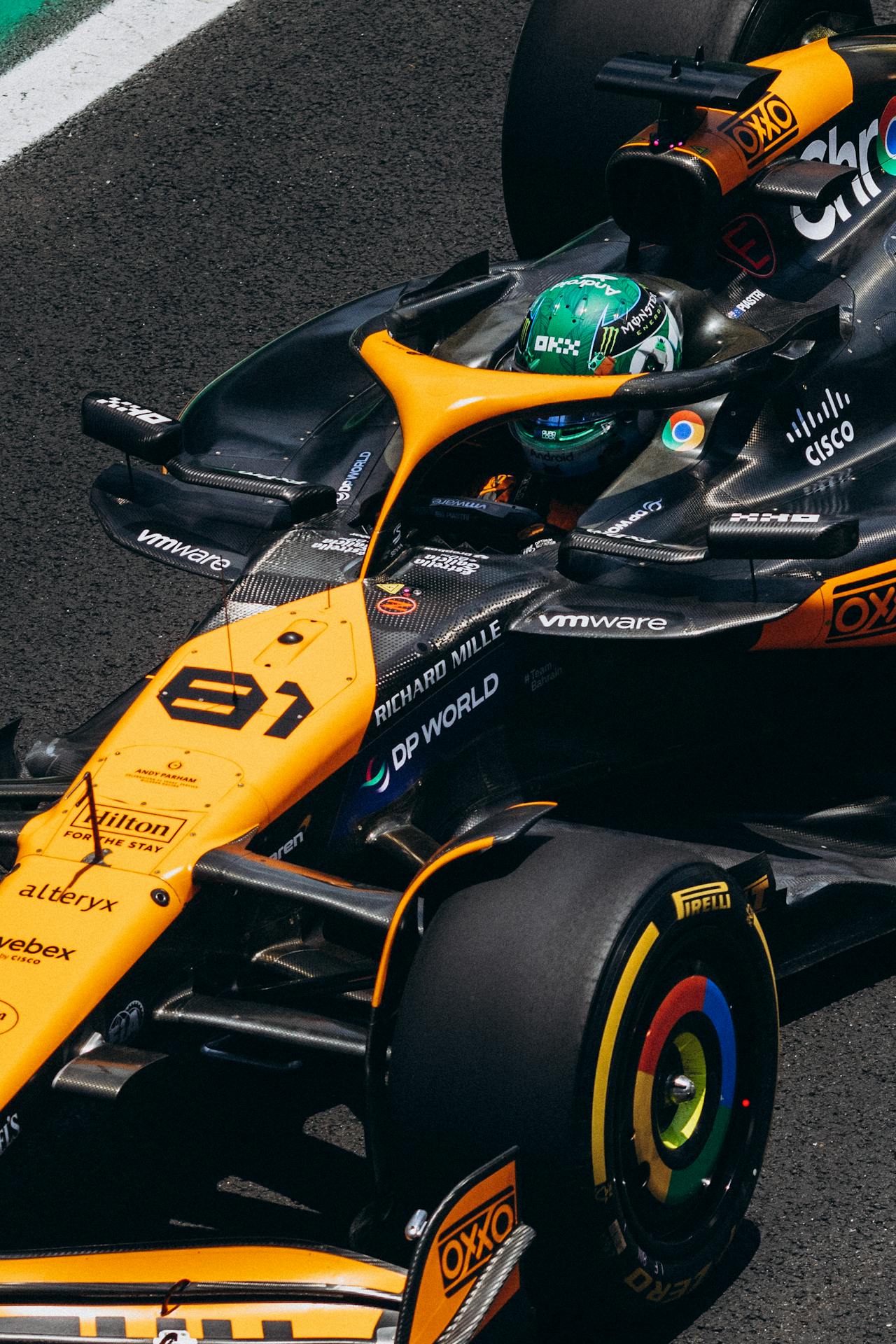
The cockpit — over 300 data channels
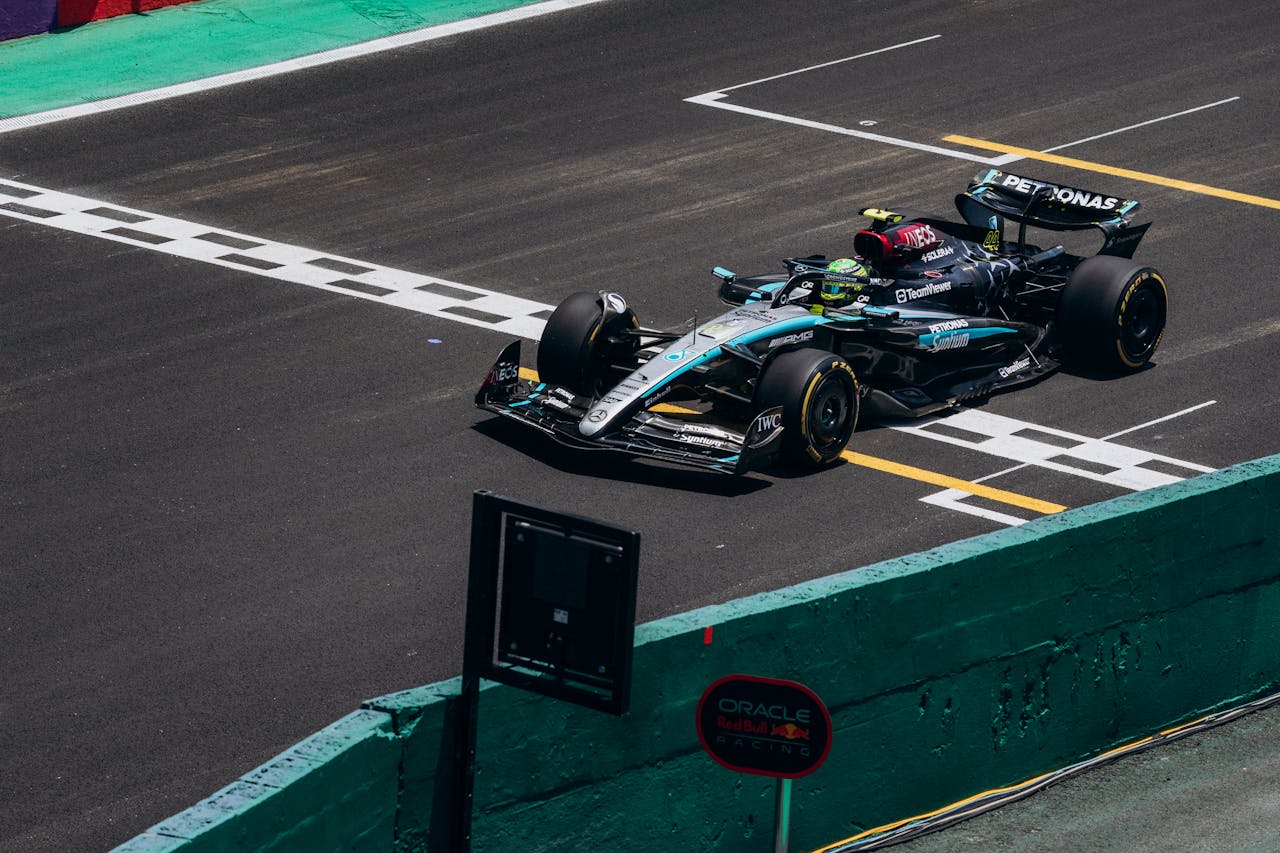
The podium — where numbers become history
What readers say
From the community
“I've been watching F1 for twenty years but I'd never understood how much tyre strategy dictated results until Quelvor laid it out in a single chart. Now I can't unsee it.”
— G.
“The Silverstone circuit profile is the best single page on F1 I've ever read. Lap record evolution, corner-by-corner data, historical context -- all in one place.”
— N.
“Most F1 stats sites give you numbers. Quelvor gives you the story behind the numbers. The pit stop evolution piece changed how I think about the sport.”
— E.
Partnerships
Data partners
Quelvor verifies statistical data against odds-market data provided by UKGC-licensed operators. These commercial partnerships help fund the platform but do not influence our editorial content or statistical analysis.

Coral
UKGC-licensed operator

888sport
UKGC-licensed operator

Unibet
UKGC-licensed operator

BetVictor
UKGC-licensed operator
18+. Gamble responsibly. BeGambleAware.org
Get in touch
Contact Quelvor
12 Clerkenwell Road, London EC1M 5PQ
+44 20 7946 0718
hello@quelvor.co.uk